







Search Results for: Aroma Volatilization
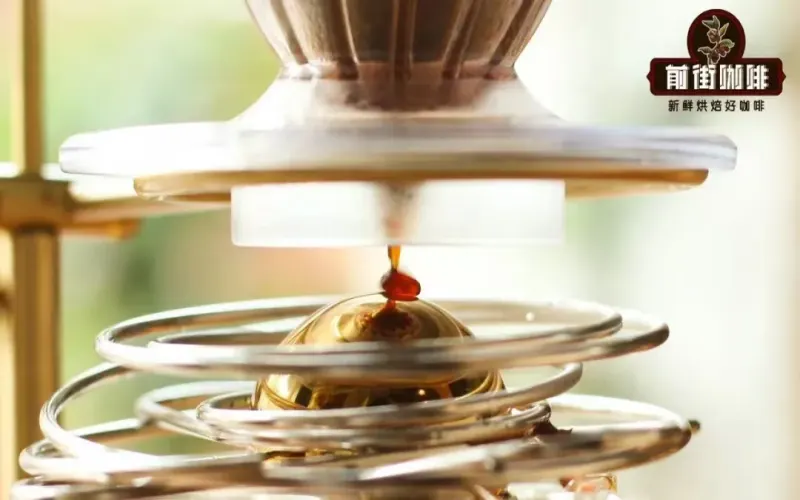
How do you use the Paragon小金球 for pour-over coffee? An analysis of the actual effects and key operating points of the rapid-cooling aroma-locking method.
In the past two years, a coffee processing method called "rapid chilling to lock in aroma" has become popular in competitions and among enthusiasts, shared and promoted by Sasa Sestic, with the core tool being the Paragon chiller ball. It works by rapidly lowering the temperature of the coffee liquid to slow down aroma volatilization, theoretically preserving more flavor. But how effective is it really? Why do most competitors only rapid-chill the first portion of the coffee liquid? Front Street conducted a comparative test using a pour-over of Huakui and a Strawberry Candy espresso, and found that the aroma difference in the pour-over group was not obvious, while the espresso group showed mouthfeel differences due to temperature changes. This article will break down in detail the principle of rapid chilling to lock in aroma, the results of the comparative experiment, and the two major reasons for only chilling the first half, helping coffee enthusiasts view this technique rationally. [more…]
How long can coffee maintain its optimal flavor window? Why does the flavor deteriorate after cooling? Is storing it in a thermos feasible?
Freshly brewed coffee is rich with aroma, but once you get delayed by something, the coffee left to cool often loses its fragrance and its taste deteriorates, making it seem like a completely different cup from when it was first brewed. This shows that the coffee in your cup also has an optimal window for enjoyment, and beyond that window, the experience drops off noticeably. So, is there a way to extend this golden tasting period? Front Street Coffee once shared a simple method: create a relatively sealed environment for the coffee, such as putting on a cup lid or pouring it into a thermos. This article will explain, from the perspectives of the concentration gradient principle behind aroma volatilization and oxidation reactions, why coffee tastes bad after it cools, and how sealed storage slows the loss of flavor, while also reminding you that the container capacity should not be too large, so that every cup of coffee can be enjoyed in its best state. [more…]
The Optimal Drinking Window for Pour-Over Coffee: An Analysis of Thermos Storage Duration and Why Flavor Deteriorates After Cooling
Freshly brewed hot coffee is rich in aroma and smooth in taste, but as the temperature drops, the flavor gradually becomes flat and even harsh. This is due not only to the effect of temperature on taste bud perception, but also to the continuous loss of volatile flavor compounds in the coffee. So, how long is it best to finish a pour-over coffee? And how much longer can a thermos extend the "enjoyable window"? Front Street Coffee conducted a real-world test using a thermos that keeps coffee hot for 12 hours, preheating all contact vessels in advance to faithfully reproduce actual performance. This article will break down the reasons why coffee flavor deteriorates after cooling and provide practical reference for thermos storage. [more…]
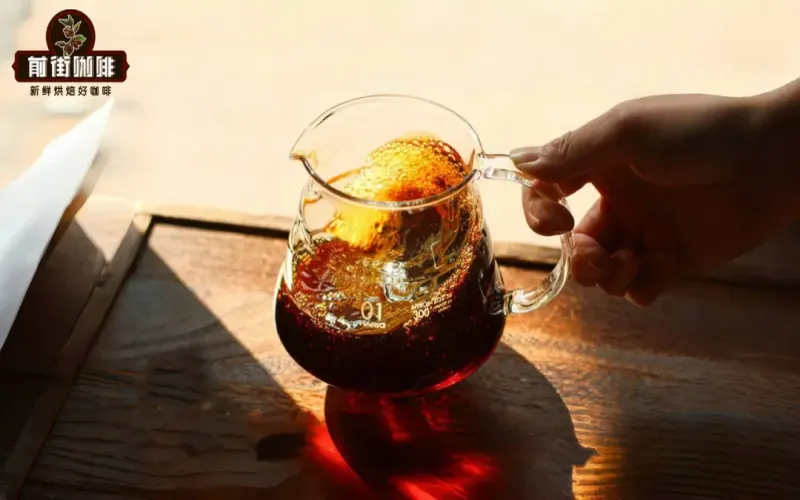
Should You Swirl the Carafe After Brewing Pour-Over Coffee? Analyzing the Real Impact of Swirling on Flavor Uniformity, Cooling, and Aroma Release
Many coffee enthusiasts, after brewing pour-over coffee, notice baristas habitually swirling the sharing pitcher, yet are unclear about what this step actually does. This article focuses on this detail when brewing single-origin coffee, explaining why swirling the coffee liquid makes the taste and concentration more uniform, how it speeds up cooling, and how it promotes the release of aroma. Starting from the proportion of soluble coffee substances and the stratification phenomenon of liquids with different concentrations, combined with Front Street's comparative experiments, the article explains the differences between swirling and not swirling in terms of concentration, temperature, and flavor performance, and offers operational suggestions for different drinking scenarios. [more…]
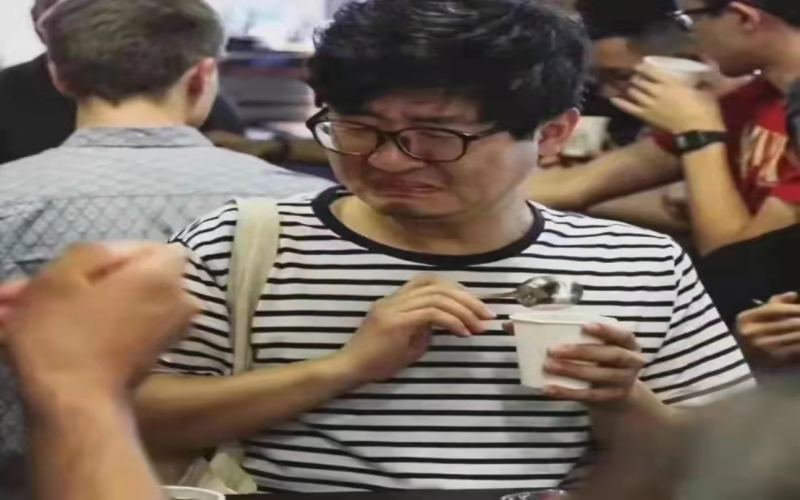
Why does pour-over coffee become sour and astringent after cooling? Analyzing three reasons for flavor changes and the ideal drinking temperature
A freshly brewed pour-over coffee is full of aroma and smooth on the palate, but after sitting for half an hour it turns sour, astringent, and muddled—what's going on? In fact, coffee naturally presents different flavors at different temperatures, and during tasting it is often divided into three stages: hot, medium, and cool. A good cup of coffee can usually withstand all three temperature stages, but once it has fully cooled, the flavor goes beyond the normal tasting range. From Front Street's perspective, this article breaks down the root causes of coffee turning sour and developing astringent, muddled notes after cooling—including differences in how human senses perceive sourness, sweetness, and bitterness, the impact of aroma volatilization, and the three key mechanisms of oil oxidation, pigment oxidative polymerization, and condensation—and tells you the most suitable temperature for drinking coffee, helping you better capture the best flavor of every cup. [more…]
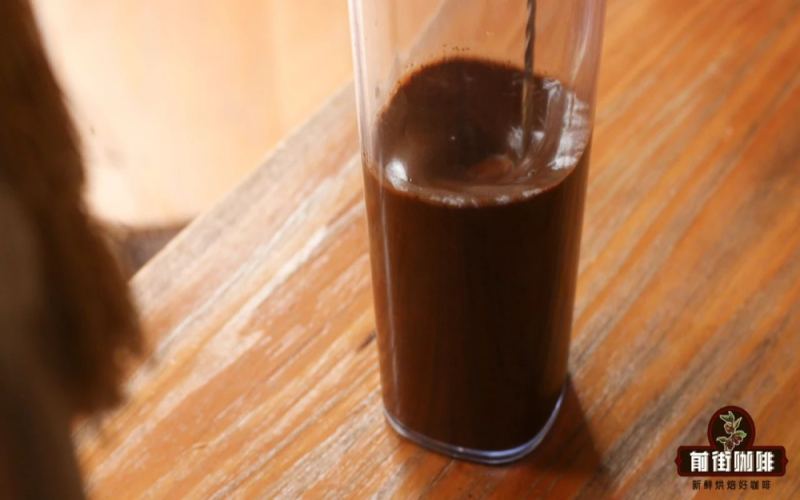
How to Choose Coffee Beans for Cold Brew? From Roast Level to Processing Method, Front Street Teaches You to Lock in Your Ideal Beans by Flavor
Cold brew coffee, through its low-temperature slow extraction process, reduces the presence of acids and the volatilization of aromas, resulting in a fuller, more balanced flavor. But with such a dazzling array of coffee beans to choose from, how should you make your selection? This article analyzes the cold brew performance of different beans one by one, from floral and fruity profiles to specific flavors to medium-dark roasts, and recommends specific products such as Front Street Coffee's Little Tomato, Front Street Coffee's Huakui, and Front Street Coffee's PWN Golden Mandheling. In addition, it shares a tip for adding dried flower petals, giving cold brew coffee a delicate floral note within its single-origin flavor. Whether you prefer bright fruit acidity or the rich depth of chocolate, you can find a cold brew bean solution that suits you. [more…]
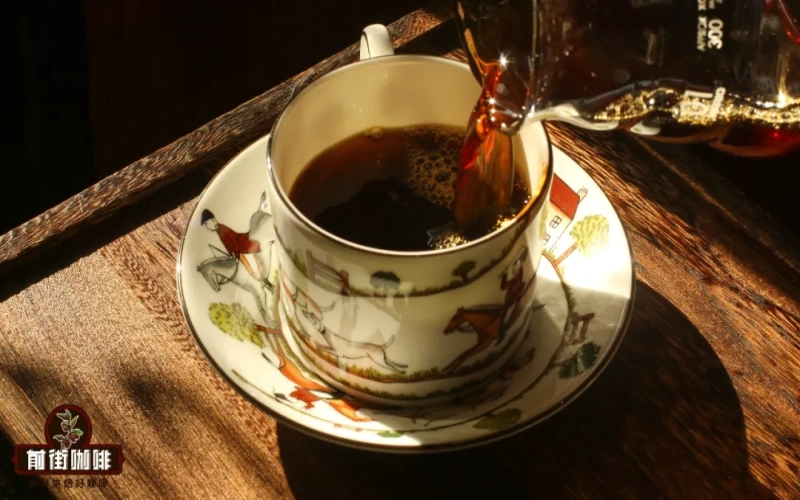
How long can the flavor window of pour-over coffee be extended if stored in a thermos? Which coffee beans are suitable for drip brewing?
Freshly brewed hot coffee often has a peak flavor window of less than an hour—once the aroma dissipates and the temperature drops, the taste degrades significantly. This is a common frustration for many coffee lovers. Is there a way to make coffee stay delicious for longer? The answer is to pour it into a thermos. The combined effects of sealing and insulation can significantly slow aroma loss and temperature decline, extending the enjoyable period to two or three times its original length. Front Street Coffee once conducted a test with Panama Boquete Geisha, and the results showed that coffee in a thermos performed excellently for the first two hours, began to decline noticeably by the third hour, and after about three hours was almost only flat. Of course, a thermos is not a cure-all—coffee stored too long in the bottle still carries a risk of bacterial growth, so drinking it as soon as possible is best. This article will explain from three aspects: principles, experiments, and practical suggestions. [more…]
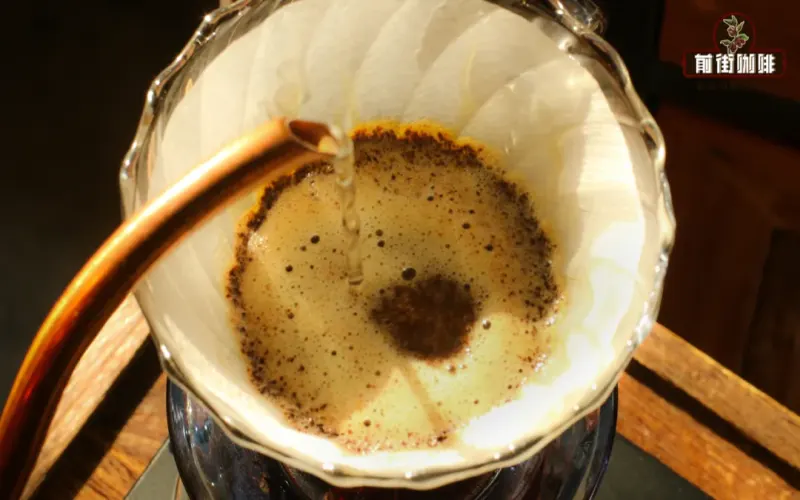
Analysis of the Difference Between Coffee Beans' Peak Flavor Period and Shelf Life: Can Expired Beans Still Brew a Good Cup?
Many coffee enthusiasts know that roasted coffee beans, beyond their shelf life, also have a peak flavor window—the optimal tasting period. But if you accidentally miss this window, can the beans still be consumed? And how much will the flavor degrade? This article compares freshly roasted coffee beans with those stored for two months, using cupping to intuitively demonstrate the differences between the two, and explains how aroma volatilization affects the layers of coffee flavor. At the same time, the article also shares Front Street Coffee's commitment to fresh roasting and how to conveniently purchase high-quality coffee beans roasted within a week. [more…]
Understand roast dates and the tasting rhythm, and a home espresso machine can also extract bright single-origin flavors
After roasting, coffee beans remain in an active phase of chemical reaction and gas release even after they are removed from the heat source. When a home espresso machine extracts single-origin coffee, it relies on high pressure to force hot water through the coffee bed. If a large amount of carbon dioxide has accumulated inside the beans, bubbles during extraction will hinder full contact between the water flow and the coffee grounds, leading to [more…]
Why Light-Roast Pour-Over Coffee Tastes More Acidic as It Cools, and Recommended Tasting Times
Many coffee enthusiasts notice that when brewing light-roast coffee, it is rich in aroma and stands out with fruity sweetness right after brewing, but as the temperature drops, the sourness becomes especially pronounced. Is this phenomenon normal? What sensory and chemical reasons lie behind it? Front Street Coffee will analyze this from two dimensions: the patterns of human taste perception and the changes in coffee's own components, explaining the differences in how bitterness, sweetness, and sourness are perceived at different temperatures, as well as the impact of aroma volatilization on the flavor experience. At the same time, the article will also discuss the time windows for tasting at high, medium, and low temperatures, and explain the bitterness and astringency caused by the release of tannic acid, helping you fully experience a cup of coffee's flavor layers within the optimal period. [more…]
How long can coffee beans be stored after grinding into powder? Analyzing the shelf life difference between coffee grounds and coffee beans
Many coffee enthusiasts have encountered this situation: ground coffee powder is delayed for some reason, and by the time it is brewed, the aroma has already vanished. The optimal flavor period for coffee beans is usually about two months, but once ground into powder, their freshness may last only half as long as the beans, or even shorter. Behind this is the scientific principle that a sharp increase in surface area causes aroma to escape more rapidly. Front Street has verified through cupping experiments that coffee powder used within 10 minutes of grinding still has a clear flavor, but after being left for more than 30 minutes it becomes noticeably flat. This article will analyze in detail the freshness preservation differences between coffee powder and coffee beans, and share practical storage tips to slow aroma loss. [more…]
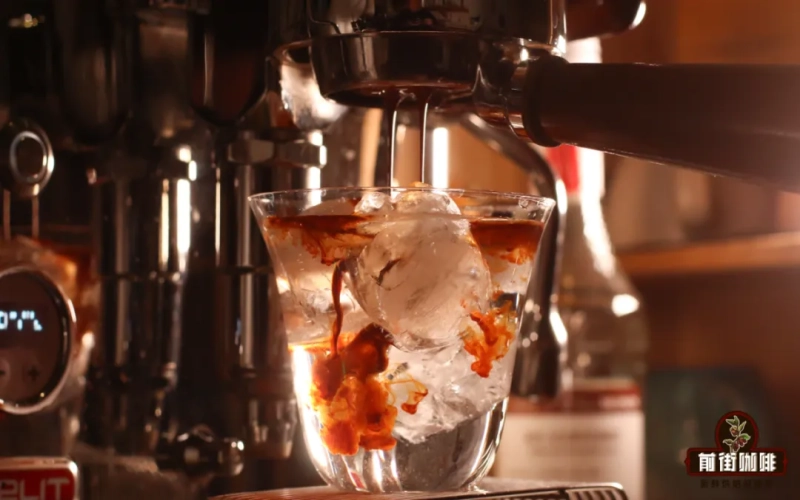
How to Make an Iced Americano Without Water? Key Points and Flavor Advantages of the All-Ice Espresso
Ordering an iced Americano with extra ice and no water has become increasingly common in coffee circles in recent years. It is not simply equivalent to drinking espresso directly; rather, through the collision of ice cubes with hot espresso, it produces a cup of iced coffee with higher concentration, lower bitterness, and more fully preserved aroma. This article will start from the basic composition of an Americano, explain the difference between a water-free iced Americano and a regular iced Americano, and detail the order of production, the principle of extraction cooling, and practical techniques such as shaking to cool down, helping you make a better-tasting all-ice Americano. [more…]
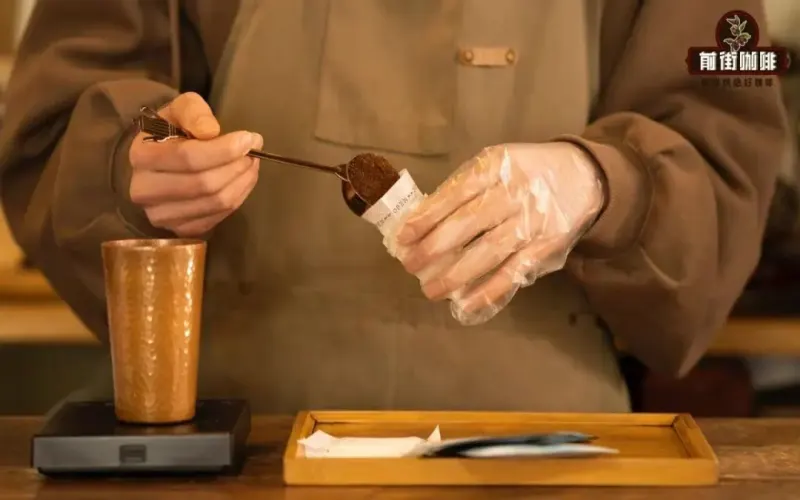
Drip Coffee Bag Shelf Life and Optimal Flavor Period Explained: Why Ground Coffee's Best Flavor Lasts Only One Month
Drip bag coffee is the preferred way for many office workers and people on the go to enjoy black coffee, but have you ever paid attention to its shelf life? Compared with whole coffee beans, pre-ground drip bag coffee loses its flavor noticeably faster. Front Street Coffee insists on grinding and preparing each order fresh, precisely to preserve the best flavor of every drip bag as much as possible. This article will explain in detail the principles of coffee aroma volatilization, clarify the differences in shelf life between whole coffee beans and ground coffee powder, and introduce the product features and tasting order of Front Street Coffee's classic five-origin drip bag coffee, helping you better understand and store the specialty drip bags in your hands. [more…]
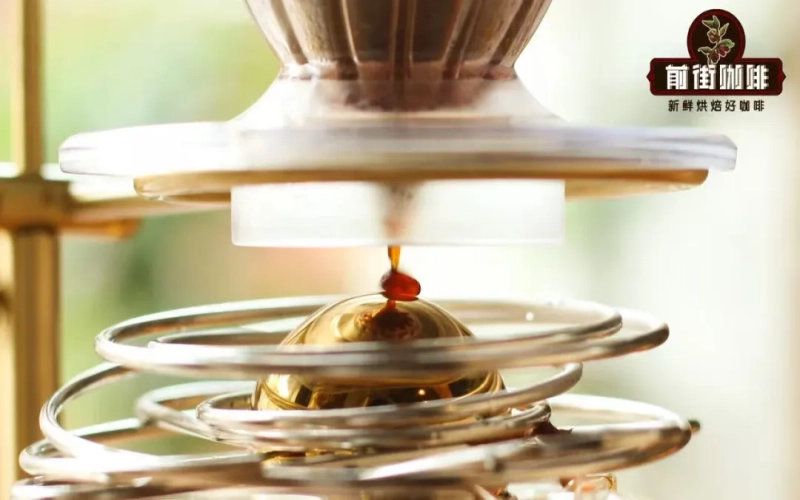
How Does Cup Temperature Affect Coffee Flavor? A Comparative Experiment on Preheating vs. Chilling a Pour-Over Coffee Cup
Coffee aroma is volatile, and the higher the temperature, the faster it dissipates, so some have proposed using low-temperature containers to lock in the aroma. Front Street Coffee compared three types of pour-over coffee vessels—a high-temperature cup, a room-temperature cup, and a frozen cup—to test whether cup temperature truly affects coffee aroma and flavor performance. The experiment used Kenya Asaliya coffee beans with uniform brewing parameters, and the results showed that cup temperature mainly changes the temperature of the coffee when it enters the mouth, rather than the amount of aroma, but temperature differences do indeed cause noticeable changes in flavor perception. This article will present the experimental process and conclusions in detail, and offer cup selection suggestions for different weather conditions. [more…]

Coffee Tasting Techniques: How Slurping Helps Us Experience the Flavor of Single-Origin Pour-Over More Fully
In coffee shops, you occasionally hear someone make a peculiar sound while drinking coffee—this is actually a tasting method called "slurping." Although it may not sound elegant, it genuinely helps us capture the flavors of coffee more fully. By changing the temperature and form of the coffee as it enters the mouth, slurping atomizes the liquid and accelerates the release of aromas, while also restoring the taste buds' sensitivity at the right temperature, enabling a clearer distinction of flavor layers such as sourness, sweetness, and bitterness. This article uses Front Street Coffee's Sidra beans as an example to walk you through the specific technique and principles of slurping, helping you understand why this seemingly crude method actually lets you get a head start on experiencing the richer, more delicate flavors in coffee. [more…]
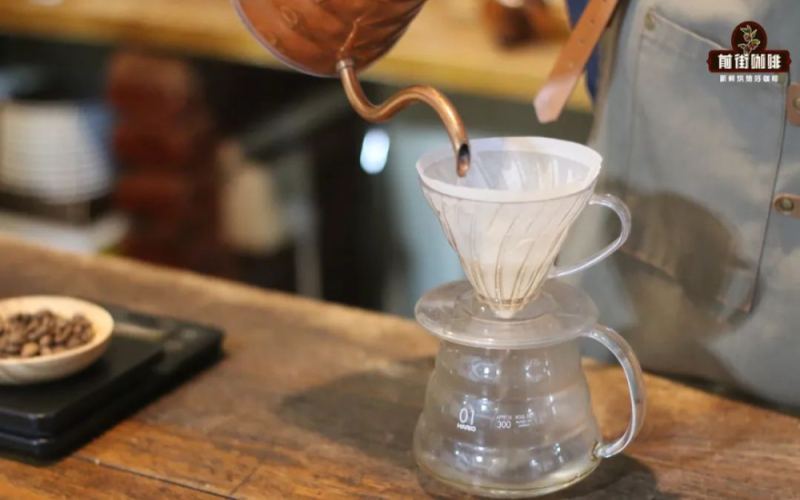
Four key preparations before pour-over brewing: filter paper fitting, water temperature control, grinding timing, and coffee grounds recheck
To brew a consistently delicious pour-over coffee, the key is to eliminate as many uncertainties as possible before brewing. Many enthusiasts tend to overlook some details during the preparation stage, which leads to uneven extraction and flavor deviation. Drawing on daily observations and the practical experience of enthusiastic friends, Front Street Coffee has compiled four easily overlooked preparation steps: how well the filter paper fits the dripper directly affects degassing and flow; once the water temperature is confirmed, you should pour as soon as possible to avoid the temperature in the kettle continuously dropping; grinding is best left as the last step to reduce the loss of coffee aromatics; after grinding, you should also double-check the coffee dose, because the grinder may retain or spit out grounds, and a deviation of ±0.5g is enough to change the final flavor. These seemingly minor steps often determine the success or failure of the entire cup. [more…]
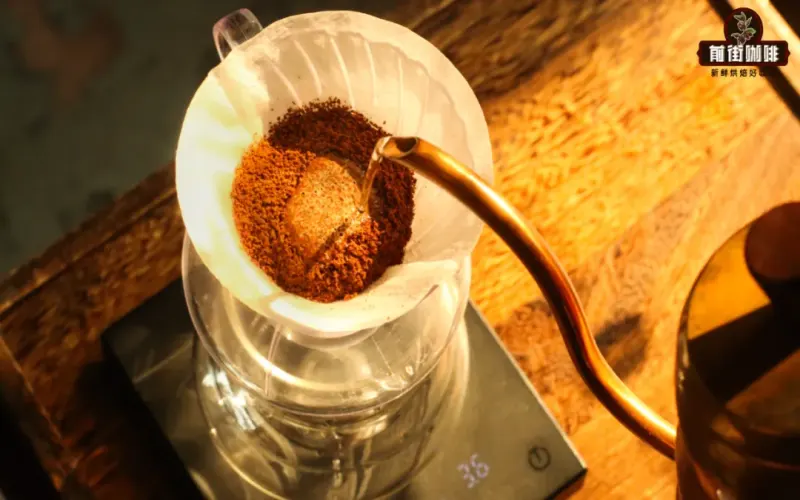
An Analysis of Flavor Differences Between Hot and Iced Pour-Over Coffee: A Professional Tasting Comparison from Temperature to Brewing Parameters
When buying coffee beans at a coffee shop or a Front Street location, many coffee enthusiasts ask the same question: for single-origin pour-over coffee, is it better hot or iced? Why is the flavor of hot pour-over coffee often more intense and prominent than iced pour-over? This article will start from the effects of coffee temperature on taste bud perception and aroma volatilization, deeply analyze why hot drinks make it easier to taste flavor, and at the same time explain the special adjustments in brewing parameters for iced pour-over—how operations such as reducing the amount of water, increasing the ratio of grounds to ice, and grinding finer affect the final flavor performance. The article also takes Front Street Ethiopia Huakui as an example, separately presenting a comparison of tasting results between hot brewing and iced brewing, to help readers fully understand the respective flavor characteristics and suitable scenarios of the two brewing methods. [more…]
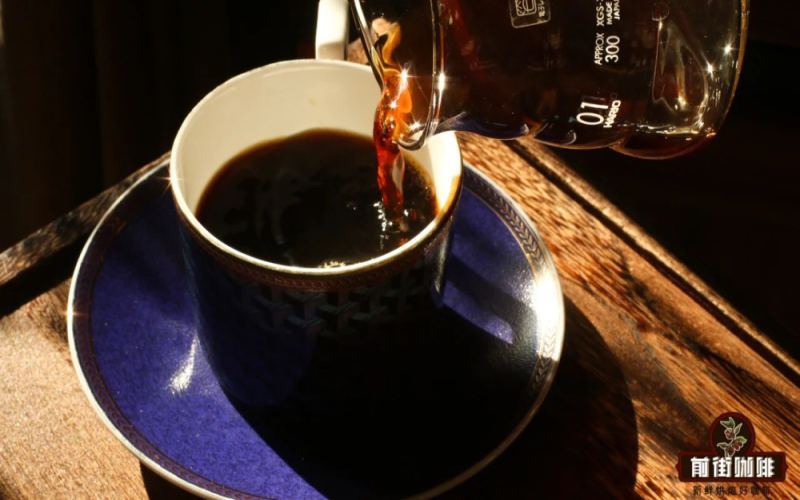
How Temperature Shapes Coffee Flavor: Sensory Changes and Tasting Techniques from Hot to Cool
After a cup of hot coffee sits for a while, its flavor and aroma often undergo noticeable changes, even revealing sweetness, fruity notes, or floral notes that were hard to detect right after brewing. This change is not an illusion, but the result of specific chemical reactions and physical volatilization triggered by temperature fluctuations. Coffee contains over a thousand aroma compounds, of which about forty are the more commonly occurring prominent aromas, and they are released and perceived differently at different temperatures. Front Street Coffee believes that understanding the effect of temperature on coffee not only helps you find the most suitable drinking window for each bean, but also allows you to more accurately identify the balance between acidity, sweetness, bitterness, and aroma. This article will systematically sort out the flavor evolution patterns from 82°C to below room temperature, and provide actionable tasting suggestions. [more…]
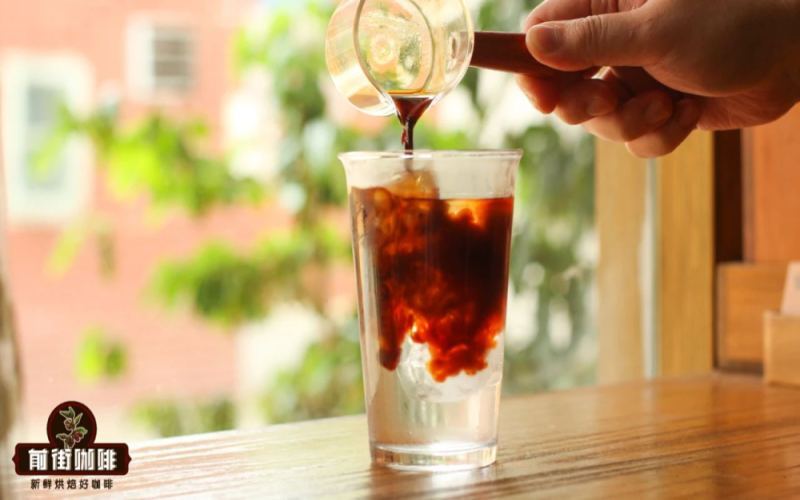
Iced Pour-Over, Iced Americano, Cold Brew, and Ice Drip: An Analysis of the Brewing Methods and Flavor Differences of Four Iced Coffees
On a scorching summer day, a glass of iced coffee always brings a refreshing and invigorating effect. But did you know that common iced coffee is actually divided into four major categories: iced pour-over, iced Americano, cold brew, and iced drip? Each uses a different extraction method, and their flavor profiles vary greatly. In this article, Front Street Coffee (FrontStreet Coffee) will walk you through the characteristics of these four types of iced coffee one by one, and share the specific methods our baristas use to make them in-store, including key parameters such as coffee bean selection, coffee-to-water ratio, grind size, and extraction time. Whether you prefer a light, refreshing taste or a rich, intense flavor, you'll find the perfect cup for you. [more…]
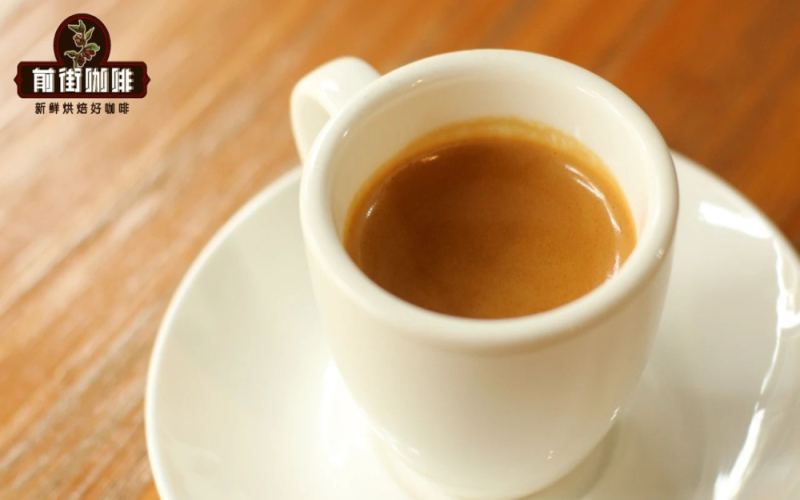
The Complete Espresso Extraction Workflow: A Calibration Guide for Grind Size and Coffee-to-Water Ratio Parameters from Resting to Serving
A proper espresso is the foundation of the entire Italian coffee system. From bean selection and resting, hopper management, and grind size adjustment, to dosing, distribution, tamping, and extraction time control, every step influences the final flavor. Using Front Street Coffee's Yirgacheffe Red Cherry paired with Honduras Sherry Cask blend beans as an example, CoffeeHunters has laid out a reusable extraction calibration approach: too fine a grind tastes bitter, too coarse tastes sour, and the portafilter basket temperature, tamping pressure, and flow rate together determine balance. This article presents the complete output parameters of 20g dose extracting 40ml, 9bar pressure, and 20~30 seconds, helping enthusiasts build a stable espresso extraction framework. [more…]